
The handloom sector is a vital component of India’s economy and cultural identity, serving as the second-largest employment provider after agriculture.
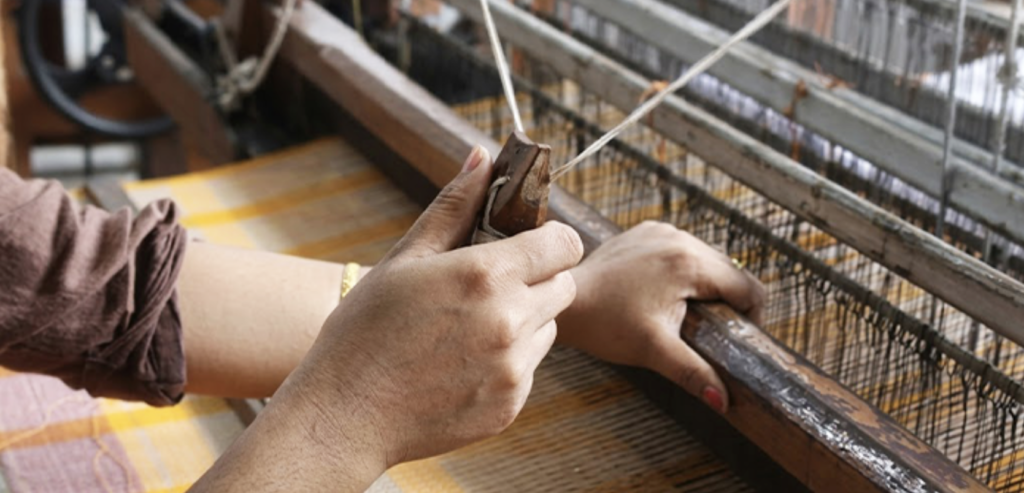
I. Historical and Cultural Context
- National Handloom Day: Observed annually on August 7, it commemorates the launch of the Swadeshi Movement in 1905. This movement transformed handwoven fabrics like Khadi into symbols of self-reliance and political resistance.
- Deep Roots: India’s weaving traditions date back to the Indus Valley Civilization and are documented in ancient texts like the Rigveda and Kautilya’s Arthashastra.
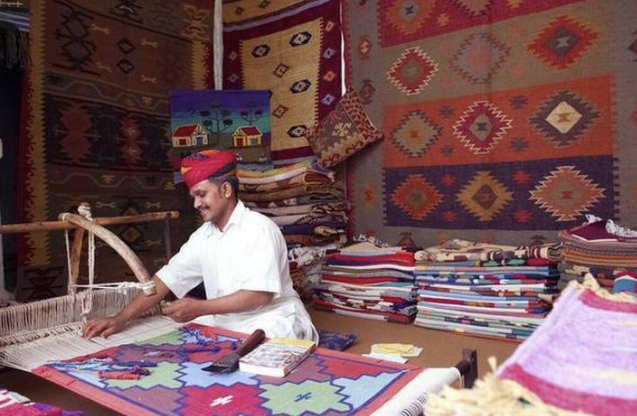
- Diverse Traditions: The sector preserves unique regional crafts such as Banarasi, Kanjeevaram, Paithani, and Pochampally Ikat.
II. Socio-Economic Significance
- Livelihood: Supports over 22 lakh weavers and allied workers across approximately 31.45 lakh households.
- Women’s Empowerment: Women constitute more than 72% of the workforce (approx. 25.46 lakh workers), making it a primary driver of rural women’s economic independence.
- Rural Backbone: Nearly 90% of looms are located in rural areas, providing essential non-farm employment that complements agriculture.
- Sustainability: Handloom production is eco-friendly, requiring zero electricity, using natural fibers, and generating a minimal carbon footprint compared to machine-made synthetic fabrics.
III. Legal and Quality Safeguards
- Handloom Mark (2006): A government-certified label that identifies a product as genuinely handwoven to help consumers distinguish it from machine-made imitations.
- India Handloom Brand (2015): Launched on the first National Handloom Day, it identifies high-quality, defect-free products made with skin-friendly dyes and social compliance.
- Handlooms Act (1985): Reserves 11 specific textile articles exclusively for handloom production, prohibiting their manufacture by powerlooms.
- Geographical Indication (GI) Tags: Certified authenticity for regional products. As of August 2026, 106 handloom products and 6 logos have GI registration. GI tags can increase rural incomes by 20–30% by unlocking premium global markets.
IV. Key Government Initiatives
- National Handloom Development Programme (NHDP): A flagship scheme providing integrated support through Cluster Development, infrastructure, and marketing.
- Weaver MUDRA Scheme: Provides collateral-free loans at a concessional 6% interest rate for three years to assist with working capital.
- Raw Material Supply Scheme (RMSS): Ensures access to quality yarn by providing freight reimbursement and a 15% price subsidy on natural and blended yarns.
- Hathkargha Samvardhan Sahayata (HSS): Distributes modern looms and equipment, with the government funding 90% of the cost.
- Mahatma Gandhi Gram Swaraj Initiative: A new policy push from the Union Budget 2026-27 focused on global linkages, branding, and skilling for village industries.
V. Modernization and Digital Transformation
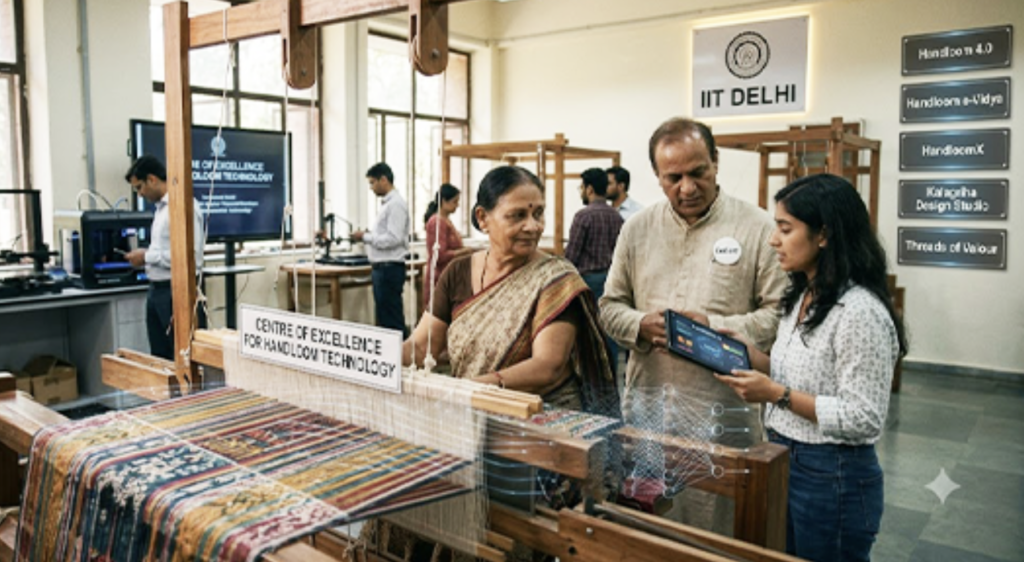
To compete in the “slow fashion” global market, the sector is integrating modern technology:
- Handloom 4.0: Utilizes Artificial Intelligence (AI) and IoT to monitor productivity and quality while reducing physical strain on weavers.
- VisioNXT: An AI-driven tool for demand forecasting and identifying global fashion trends.
- E-Commerce Integration: Platforms like Indiahandmade allow verified artisans to sell directly to global consumers, bypassing middlemen.
- Blockchain Traceability: Ensuring the transparency of the supply chain to verify the “handwoven” status for international buyers.
VI. Major Challenges
- Counterfeiting: The biggest threat is powerloom fabric being illegally sold as handloom at lower prices.
- Low Remuneration: Approximately 67% of worker households earn less than ₹5,000 per month.
- Skill Erosion: Younger generations are often discouraged from the profession due to declining returns and fragmented markets.
Conclusion: The Path to 2047
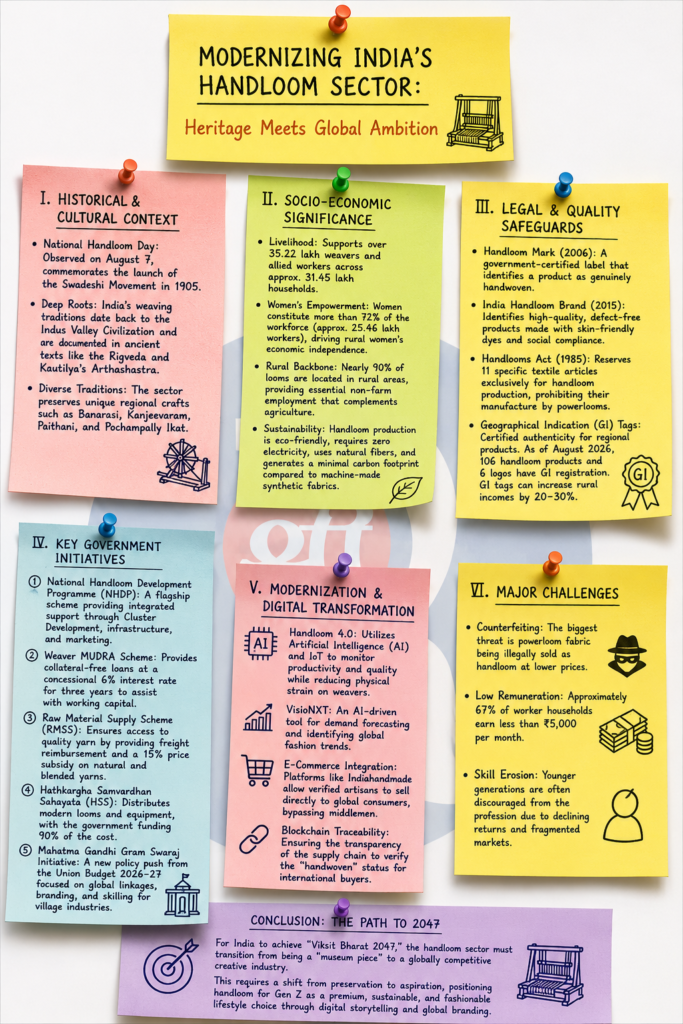
For India to achieve “Viksit Bharat 2047,” the handloom sector must transition from being a “museum piece” to a globally competitive creative industry. This requires a shift from preservation to aspiration, positioning handloom for Gen Z as a premium, sustainable, and fashionable lifestyle choice through digital storytelling and global branding.