
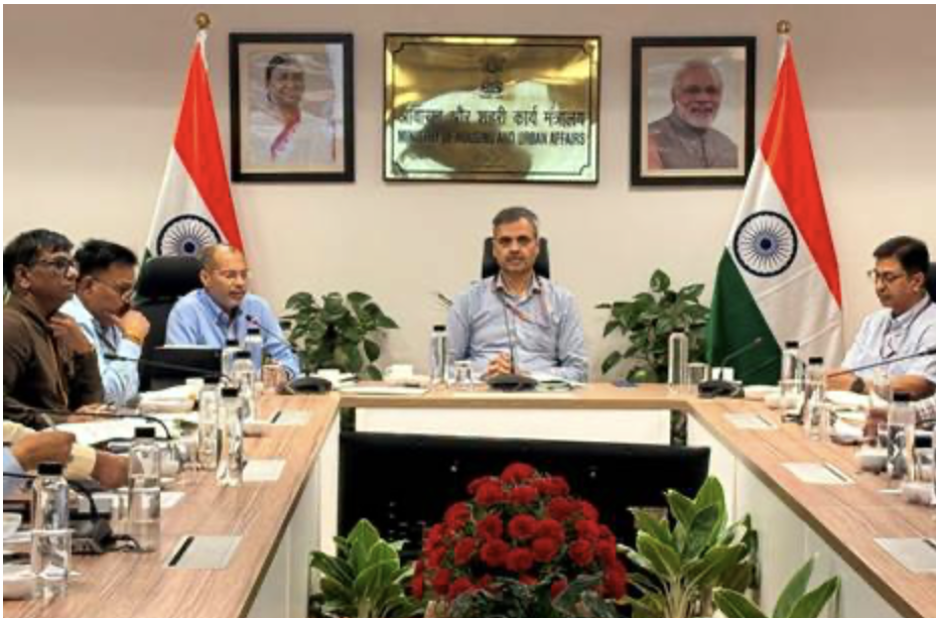
As we track India’s progress toward the “Housing for All” mission, the Pradhan Mantri Awas Yojana-Urban (PMAY-U) stands as a cornerstone of urban development and social transformation. Recent government data and the outcomes of the 8th Central Sanctioning and Monitoring Committee (CSMC) meeting highlight significant strides in both infrastructure and social equity.
1. Key Milestones: Crossing the 1.25 Crore Mark
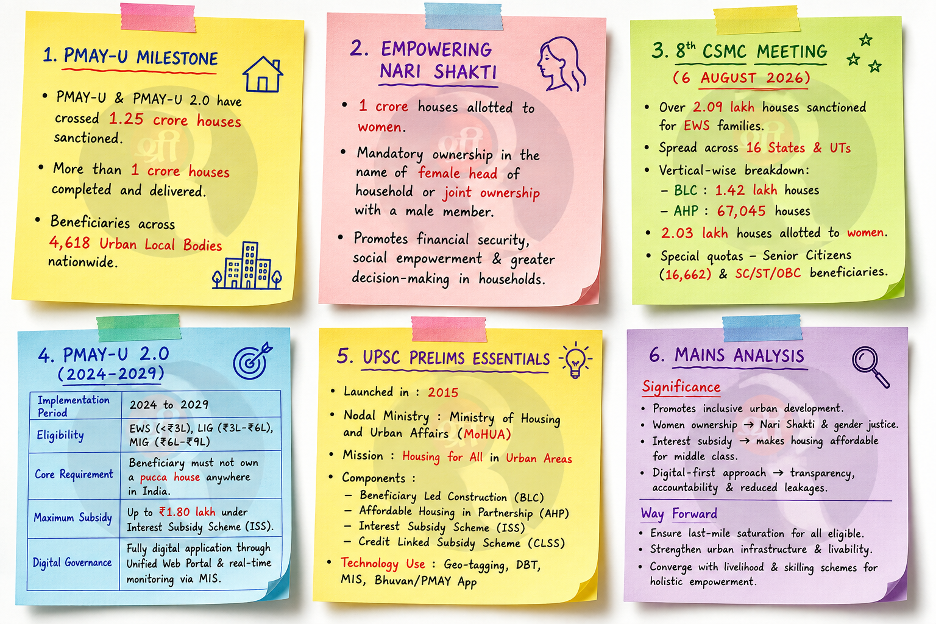
The PMAY-U mission has reached a historic peak with over 1.25 crore houses sanctioned across the country under both PMAY-U and its successor, PMAY-U 2.0.
- Delivery Excellence: More than 1 crore houses have already been completed and handed over to beneficiaries.
- Scale of Impact: The scheme now benefits economically weaker sections (EWS) and low-income groups across 4,618 urban local bodies nationwide.
2. Empowering Nari Shakti: Ownership as a Catalyst for Change
A standout achievement of this mission is its focus on gender-inclusive growth. Guided by the vision of Nari Shakti, the government has allotted 1 crore houses to women.
- Mandatory Ownership: Scheme guidelines mandate that the house must be in the name of the female head of the household or in joint ownership with a male member.
- Impact: This move fosters financial security, social empowerment, and greater participation of women in household decision-making by providing them with a valuable permanent asset.
3. The 8th CSMC Meeting: PMAY-U 2.0 in Action
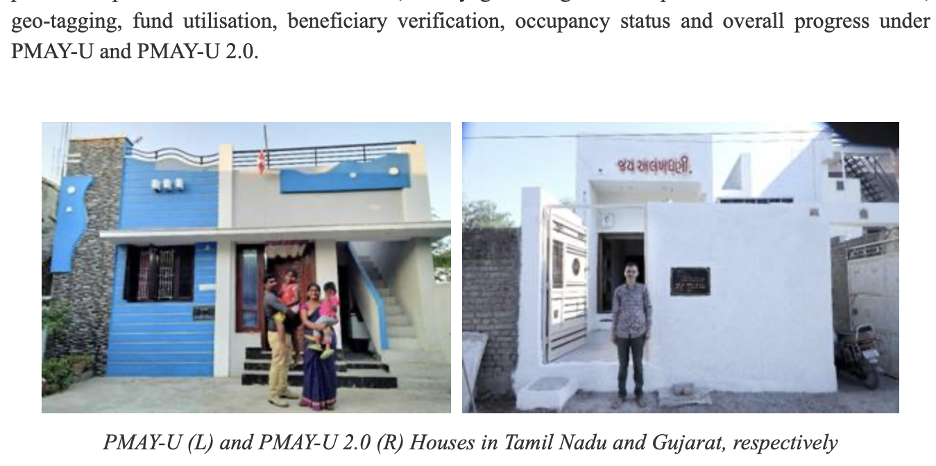
On August 6, 2026, the 8th CSMC meeting, chaired by the Secretary of the Ministry of Housing and Urban Affairs (MoHUA), approved a fresh wave of housing proposals.
- New Sanctions: Over 2.09 lakh houses were sanctioned specifically for EWS families.
- Geographic Reach: These houses are spread across 16 States and Union Territories, including Andhra Pradesh, Bihar, Gujarat, Maharashtra, Rajasthan, Tamil Nadu, and Uttar Pradesh.
- Vertical-wise Breakdown:
- Beneficiary Led Construction (BLC): 1.42 lakh houses, where beneficiaries receive up to ₹2.5 lakh for construction on their own land.
- Affordable Housing in Partnership (AHP): 67,045 houses developed via public/private partnerships.
- Inclusion Metrics: Of these new sanctions, 2.03 lakh houses are allotted to women, with specific quotas for senior citizens (16,662) and SC/ST/OBC beneficiaries.
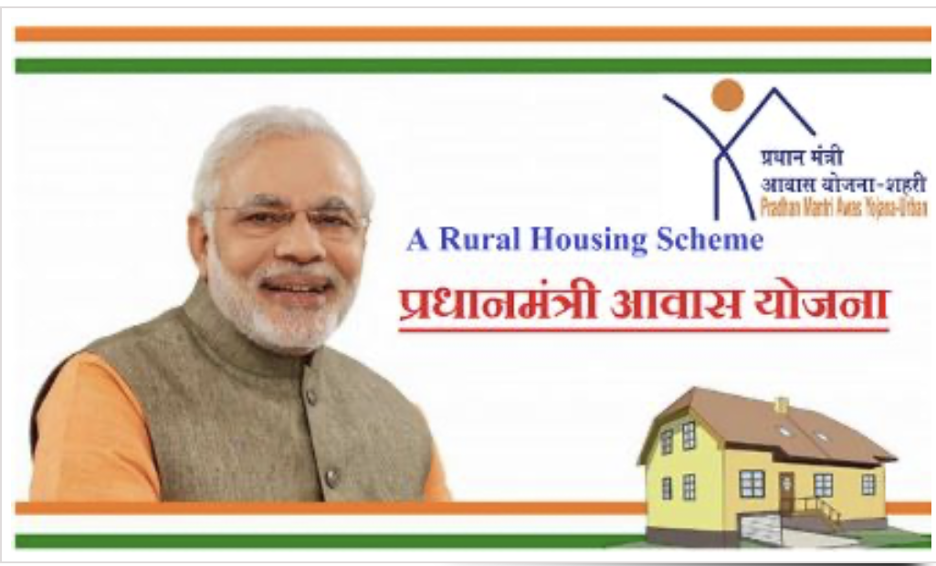
4. UPSC Essential: Understanding PMAY-U 2.0 (2024–2029)
For students of Governance and Social Justice, it is vital to understand the evolution of this scheme. PMAY-U 2.0 is designed to address the needs of an additional 1 crore urban families over a five-year period.
| Feature | PMAY-U 2.0 Details |
| Implementation Period | 2024 to 2029. |
| Eligibility | EWS (Income <₹3L), LIG (₹3L-₹6L), and MIG (₹6L-₹9L) segments. |
| Core Requirement | Beneficiary must not own a pucca house anywhere in India. |
| Maximum Subsidy | Up to ₹1.80 lakh under the Interest Subsidy Scheme (ISS). |
| Digital Governance | Fully digital application through a Unified Web Portal and real-time monitoring via MIS. |
5. Social Inclusion and Specialized Focus
Beyond general categories, PMAY-U 2.0 prioritizes the most vulnerable sections of urban society:
- Special Groups: Focus on Safai Karmis, street vendors (PMSVANidhi), artisans (PM-Vishwakarma), Anganwadi workers, and slum dwellers.
- Preference Groups: Widows, single women, Persons with Disabilities (PwD), senior citizens, transgenders, and minorities.
6. Critical Analysis for Mains: The Shift to “Urban-Centric”
PMAY-U 2.0 marks a shift toward a more mature, digital-first approach. By utilizing Geo-tagging (via the Bhuvan/PMAY app) and Direct Benefit Transfer (DBT), the scheme ensures transparency and prevents leakages. The focus on Interest Subsidies for loans up to ₹25 lakh directly addresses the “interest burden” that often prevents the urban middle class from entering the housing market.