

Why in news
“Geopolitics driving valuation discipline for IPOs in H1 2026” is in the news because geopolitical tensions and market uncertainty are making investors more cautious about new IPOs in India.
UPSC Relevancy
Economy
About IPO
- An IPO or initial public offering is the process by which a privately held company, or a company owned by the government such as LIC, raises funds by offering shares to the public or to new investors.
- An unlisted company announces initial public offering (IPO) when it decides to raise funds through sale of securities or shares for the first time to the public
- Regulated By SEBI
- Invest up to Rs 2 lakh (retail investors) Invest above Rs 2 lakh (high net worth individuals).
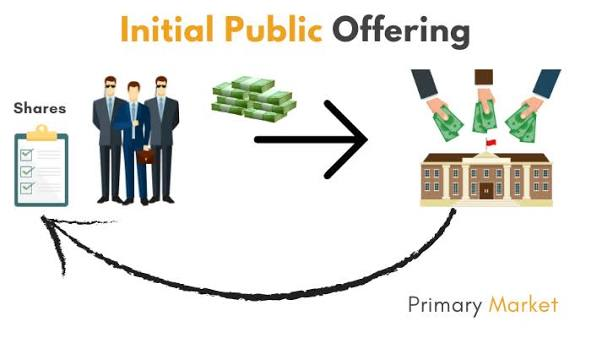
Note:- Primary Market: Issuance of New shares. Investors directly buy securities from the issuing company through IPOs.
Which companies can come out with an IPO?
- A company must have net tangible assets of at least Rs 3 crore
- Net worth of Rs 1 crore in each of the preceding three full years
- It must have a minimum average pre-tax profit of Rs 15 crore in at least three of the immediately preceding five years.